One button.
Instant help.
A wear-and-forget SOS wearable that works without a phone. Cellular-connected, with satellite on Beacon Global. 5-year battery, always on. Contacts notified in seconds.
Actual size: 42mm diameter × 15mm thin (4.2cm × 1.5cm)
Meet Beacon
Drag to spin it. That glowing amber button is the one that summons help from anywhere on Earth.
Safety shouldn't require a smartphone
Phones are too slow
Unlocking, finding the app, waiting — critical seconds lost when every moment counts.
Dead zones exist
Remote worksites, underground parking, crowded events — cellular often fails where danger is highest.
Complex interfaces fail
Elderly, children, and people with disabilities struggle with touchscreens during high-stress moments.
Current devices need phones
Most safety wearables are just phone accessories — useless without Bluetooth pairing.
One device, three tiers of reach
Same one-button SOS, same 5-year battery — pick the connectivity that matches where you go.
One-time purchase. $0/month. Forever.
No subscription, no hidden fees, no app required.
| Feature | Beacon LiteUrban & city use $50one-time | Beacon ScoutHikers & runners $75one-time | Beacon GlobalOff-grid & extreme $100one-time Best for off-grid |
|---|---|---|---|
| Monthly fee | $0 forever | $0 forever | $0 forever |
| Connectivity | LTE-M Cellular + GPS | LTE-M + GPS + Bluetooth (BLE) | LTE-M + GPS + BLE + Satellite |
| GPS location | |||
| Bluetooth (BLE) tracking | |||
| Satellite SOS | |||
| Best for | Urban and city use | Hikers, runners, and crowded festivals | Extreme adventurers, remote travel, and off-grid locations |
| How it works | Uses cellular towers to send alerts. | Adds BLE. It relays your alert through your phone when Beacon can't reach a cell tower, and broadcasts a locator signal rescuers can detect from tens of meters away, up to about 100m in open line of sight, even if you can't respond. | Everything in Scout, plus satellite SOS. Works anywhere with a clear view of the sky. Coverage varies by region. |
| Battery life | 5 years | 5 years | 5 years |
| Waterproof | IP68 (design target) | IP68 (design target) | IP68 (design target) |
Need Beacons for a team or care facility? Contact us for bulk pricing →
Beacon vs. Smartphone vs. Satellite Phone
Three ways to call for help — only one is built to be forgotten until the moment you need it.
| Feature | BeaconSOS wearable Best for emergencies | SmartphoneiPhone / Android | Satellite PhoneIridium / Inmarsat |
|---|---|---|---|
| Base Cost | $50 – $100 $50 at volume (base) up to $100 (satellite version) | $600 – $1,500+ | $800 – $4,000 |
| Subscription | $0 / month No recurring fees, ever | Pay-per-use SOS Billed per emergency alert | $50 – $150+ / month Plus per-minute / message fees |
| Charging | Modular — swappable 5-year cell, replaceable in seconds | Daily charging | Every few days |
| Battery Life | 5 years standby Up to 150 SOS signals on one battery | < 24 hours | ~24 – 40 hours A few hours of talk time |
| Size | 42mm × 15mm 4.2cm × 1.5cm — watch-pebble size | A large deck of cards | A brick from the 1990s |
| Weight | ~22–26g Global ~25–28g (satellite parts) — like a few coins | 150 – 240 grams Like a wallet of credit cards | 300 – 400 grams Like a full can of soda |
| Waterproof | IP68 (design target) No external moving parts | Water-resistant (IP68) Not designed for rugged use | IP65 / 67 External ports that can fail |
| Emergency Use | One-press, no-look Sends GPS. Works globally. | Complex multi-step Unlock, find an app, need cell service | Effective, but slow Power on, extend antenna, wait for signal |
Designed for the underserved
The people most in need of safety tech are the ones least served by it. Beacon changes that.
Elderly Individuals
For aging parents and grandparents who deserve independence without compromising safety.
Children
Discreet, wearable protection for kids — simple enough for a 5-year-old to use.
People with Disabilities
Tactile feedback and zero-interface design for users with mobility, cognitive, or sensory limitations.
Low-Income Users
No smartphone required. No monthly subscription. $50 one-time purchase with 5-year coverage.
Engineered for the worst moments
Every detail designed so help arrives fast — even when nothing else works.
Tiered Connectivity
Beacon uses LTE-M cellular where available and escalates to satellite when cellular drops out (satellite on Global tier).
5-Year Battery
Zephyr RTOS and ultra-low-power component selection means the modular lithium cell lasts a full 5 years between replacements.
BLE Backup
BLE does two jobs. It relays your alert through your phone when Beacon can't reach a cell tower, and it broadcasts a locator signal rescuers can detect from tens of meters away, up to about 100m in open line of sight, even if you can't respond. (Scout and Global.)
IP68 (design target)
Rain, sweat, showers, and brief submersion.
One-Button Design
A single 3-second hold triggers the full alert stack. Haptic and audio confirmation — no screen, no app, no steps.
RapidSOS 911 (Planned)
911 escalation via RapidSOS (planned integration) for unacknowledged alerts.
From press to rescue
Press
Hold for 3 seconds, or double-press. A 5-second vibration countdown lets you cancel before the alert sends.
Hold for 3 seconds to prevent accidental triggers.
Locate
Beacon locks your GPS coordinates via satellite — no cell network needed.
Works outdoors and indoors — satellite needs a view of the sky, and BLE relays through your phone nearby.
Alert
Contacts are typically notified within seconds over cellular. Satellite alerts can take up to a few minutes. 911 escalation via RapidSOS (planned integration).
Full notification stack fires in under 10 seconds.
Track
Continuous location updates stream to a live Google Maps view with what3words coordinates for precise dispatch.
Responders see a live map until alert is resolved.
Built to survive anything
Built different. Inside and out.
Beacon isn't a modified fitness tracker. It's a ground-up design built for a single purpose — with repairability and sustainability baked in from day one.
Precision-engineered to 0.1mm tolerance
Beacon's geometry was designed in Fusion 360 and stress-tested through finite element analysis before any physical prototype was made. The 42mm × 15mm pebble form factor is not arbitrary — it's the smallest possible enclosure that still allows a tactile button press with gloves, wet hands, or limited motor control.
Form factor
42mm × 15mm pebble (4.2cm × 1.5cm)
Weight
~22–26g (Global ~25–28g)
Weight split
Battery 8–10g + electronics, motor, buzzer, shell
Button recess depth
2.4mm anti-accidental
Wall thickness
1.2mm polycarbonate shell
Internal stack height
11.8mm (PCB + battery + antenna)
Where 680mAh goes over 5 years
A per-event energy budget, not marketing math. Satellite current figures will be finalized once the satellite modem is chosen; the nRF9151's built-in satellite support would likely draw much less.
5-year budget
Nordic's modem alone needs ~2.7µA to stay registered while asleep. The button wakes the chip instantly using a hardware interrupt. Nothing runs until you press it.
Cells lose charge sitting idle, even when unused.
One battery and status check-in per month, over 5 years.
Everything left is held back for real SOS events.
What ~485mAh of alerts buys
Basic cellular SOS
~3mAh each
Satellite SOS (Global tier)
~9mAh each
SOS + 30 min live tracking
~15–20mAh each
~5 Years
Replacement battery packs afterward, about $5 for 2
Built for real life
Designed to be tested against heat and water. Beacon is in the prototyping phase, so no results are published yet.
Water resistance
IP68 (design target)
Rain, sweat, showers, and brief submersion. The sealed shell is designed to keep the electronics dry.
Coverage where phones fail
Beacon automatically climbs the connectivity stack — LTE-M → BLE phone relay (Scout & Global) → Satellite (Global only). Select a network to see where it reaches.
How the handshake works
Watch the signal process Beacon runs every time it connects to satellite in remote areas with no cell signal.
Searching for satellite
Beacon scans the sky for the nearest low-earth-orbit satellite in range.
Signal lock acquired
A stable uplink is established — typically under a minute with a clear sky view.
Handshake & authentication
Beacon's device ID is verified with the satellite network before any data is sent.
Alert burst transmitted
GPS coordinates and alert payload are sent in a single compressed burst to save power.
Acknowledgment received
The network confirms receipt back to Beacon, which then signals success to you.
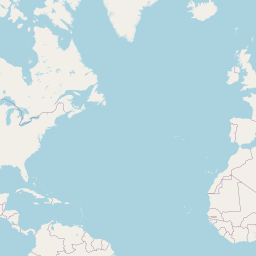
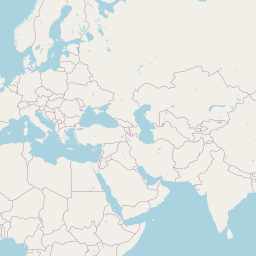
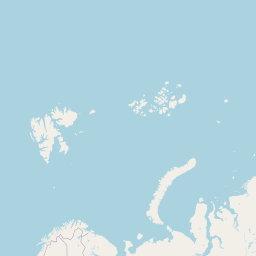
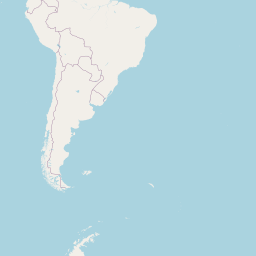
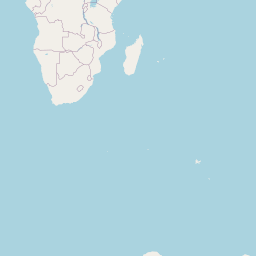
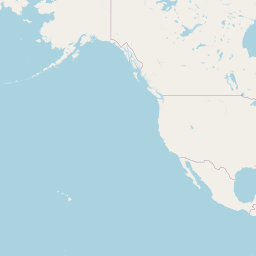
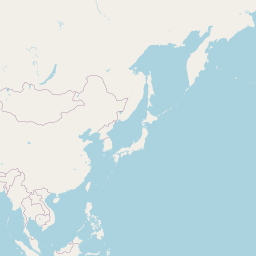
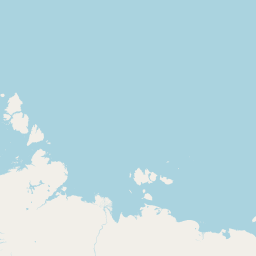
Reach across every region
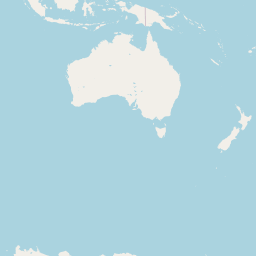
Explore where Beacon's satellite and cellular network reach extends around the world.



Ridge or Smooth — same Beacon inside
Choose the shell that fits your lifestyle. The Ridge and Smooth shells hold identical hardware for each tier.
Ridge
Built for gripVertical ridges machined into the polycarbonate/TPU shell give a secure, no-slip grip even in wet conditions. The ridged side wall also acts as a shock-absorber, dissipating impact energy across the surface. Designed for hikers, runners, and active outdoor use.
Shell material
Polycarbonate + TPU
Inside
Identical hardware
Connectivity
LTE-M + BLE + Satellite
Firmware
Zephyr RTOS
Wear it. Clip it. Stick it.
Six different ways to carry it, one button that works in all of them. Every style snaps onto the same Beacon.
| Form factor | How it works | Best for | Access | Works without phone |
|---|---|---|---|---|
WristbandMost Popular Wear it like a watch | Slim silicone band, 8mm profile — sits flush on your wrist like a fitness tracker. | Sports, hiking, everyday wear | Instant, on wrist | |
Chain Attach it with a chain | Stainless steel loop for keys, bags, or zippers — discreet and always within reach. | Keys, bags, everyday carry | Quick, by hand | |
Pendant Wear it as a pendant | Ceramic or matte finish on any necklace cord — looks like jewelry, works through clothing. | Everyday discreet wear, seniors | Instant, around neck | |
Belt Clip Secure it with a belt clip | Carabiner or flat clip snaps onto belts, straps, and backpacks — rugged and fast. | Outdoor workers, kids, travel | Quick, on hip | |
PopSocket Stick it with a PopSocket | Universal adhesive mount on your phone back — goes where your phone goes, even if it dies. | Commuters, students | Quick, on phone | |
Phone Case Integrate with a phone case | Beacon embedded in your case spine — one squeeze, full alert, zero app needed. | Commuters, travelers | Spine squeeze |
Every style snaps onto the same Beacon — mix, match, and swap freely. One Beacon, every lifestyle.
See what happens when you press SOS
From button press to rescue confirmation — the entire flow plays out in seconds. Simulate it yourself.
Tap the SOS button to simulate an alert
SOS Pressed
Button held 3 seconds · Haptic confirmation
Network Selected
LTE-M checked → Satellite escalation
GNSS Lock
37.7749° N, 122.4194° W · what3words: filled.count.soap
Alerts Dispatched
Twilio SMS/voice + SendGrid email · AWS Lambda triggered
Help Is Coming
911 escalation via RapidSOS (planned integration) · Live tracking active
Contact notifications
Notifications will appear here
This is what your contact actually receives
When SOS is pressed, every contact gets a text message like this — no app, no setup. It includes who pressed it, where they are, and a live map link that keeps updating until the alert is resolved.
Tap to see the message slide in on the phone →
BEACON SOS
Messages · now
No messages yet
Press “Trigger a Sample Alert”
Who gets the call when it matters
Beacon notifies your contacts in priority order — by SMS, phone call, or email — the moment SOS is pressed. No app needed on their end.
Emergency Contacts
3 of 6 slots used
Mom
Mother · +1 (555) 000-0001
Dad
Father · +1 (555) 000-0002
Bro
Brother · +1 (555) 000-0003
Contacts receive a live map link with your exact GPS coordinates and continuous location updates until the alert is cancelled. No app install needed — just a text message.
What to do if you get an alert
Being listed as someone's emergency contact takes no setup on your end. Here's exactly what happens and what to do.
1. Read the alert text
You'll get an SMS starting with "SOS ALERT" naming who pressed it and the exact time. No app or account needed to view it.
2. Open the live map link
Tap the link in the text to see their real-time GPS location on a map — it keeps updating automatically until the alert ends.
3. Try calling them first
Call or text back immediately. If they don't answer within a minute, treat it as a real emergency and call local emergency services with the location.
4. Wait for the all-clear
You'll receive a follow-up "Alert Cancelled" text once they're safe. Until then, keep the map open and stay reachable.
How Beacon stays reliable and affordable
Monthly check-in
- • Beacon sends battery and health status once a month to the Beacon Companion dashboard.
- • "Check anytime" shows the last check-in time and battery level. The device sleeps between check-ins, so it can't answer live.
- • One missed check-in: the owner is notified.
- • Two missed: the owner and their emergency contacts are told the device may be dead or broken.
SIMs
- • IoT SIM providers built for rarely used devices instead of custom carrier deals.
- • 1NCE's 10-year Lifetime Flat, or Onomondo's SoftSIM, which only charges when the device is active.
- • Both run as software on the Nordic chip (nuSIM or SoftSIM), so there's no physical SIM card.
Fast first connection
- • Beacon stays registered on the network while it sleeps, using Power Saving Mode.
- • On SOS, the cell-tower location is sent immediately, then refined with GPS.
- • BLE relays through the owner's phone when it's nearby (Scout and Global).
Economics
- • Connectivity is prepaid per device. The 1NCE plan includes 500MB over 10 years, so data is effectively covered.
- • Twilio, AWS, RapidSOS, and satellite messages are budgeted separately.
- • Alerts modeled as ~10% of devices per year, not 10% at the same time.
- • Accidental presses are planned for, since they will likely outnumber real emergencies.
After 5 years
- • Replacement battery packs are sold at low cost, about $5 for 2.
- • Years 6–10 still have service costs (Twilio, AWS, RapidSOS), so the pack may be priced slightly higher to include continued service and keep $0/month sustainable.
Common questions
False alarms, privacy, and durability — the things people ask us most.